CALL US: +919829067474

Groundwater NOC & Regulatory Compliance: Ensuring Legal and Sustainable Water Use

Groundwater is a critical resource for industries, infrastructure projects, mining operations, commercial establishments, and residential developments across India. As groundwater demand continues to increase, regulatory authorities have introduced strict guidelines to ensure its sustainable use. Groundwater NOC & Regulatory Compliance helps organizations obtain the necessary approvals while following legal requirements for groundwater extraction and management.

Proper compliance not only avoids legal complications but also promotes responsible groundwater utilization and environmental conservation.

What Is Groundwater NOC & Regulatory Compliance?

A Groundwater No Objection Certificate (NOC) is an official approval required for groundwater extraction in many industrial, commercial, infrastructure, and mining projects. The approval process generally involves evaluating groundwater availability, recharge potential, water usage, and environmental impacts before permission is granted.

Regulatory compliance includes following the guidelines issued by authorities, maintaining groundwater monitoring records, implementing water conservation measures, and adopting groundwater recharge practices wherever required.

Why Is It Important?

Groundwater is a limited natural resource, and uncontrolled extraction can lead to declining water tables, reduced water quality, and environmental degradation. Regulatory compliance ensures that groundwater is extracted within sustainable limits and that organizations contribute to groundwater conservation.

Obtaining the required approvals also helps projects avoid penalties, delays, and legal issues while improving environmental credibility and operational efficiency.

Key Components of Regulatory Compliance

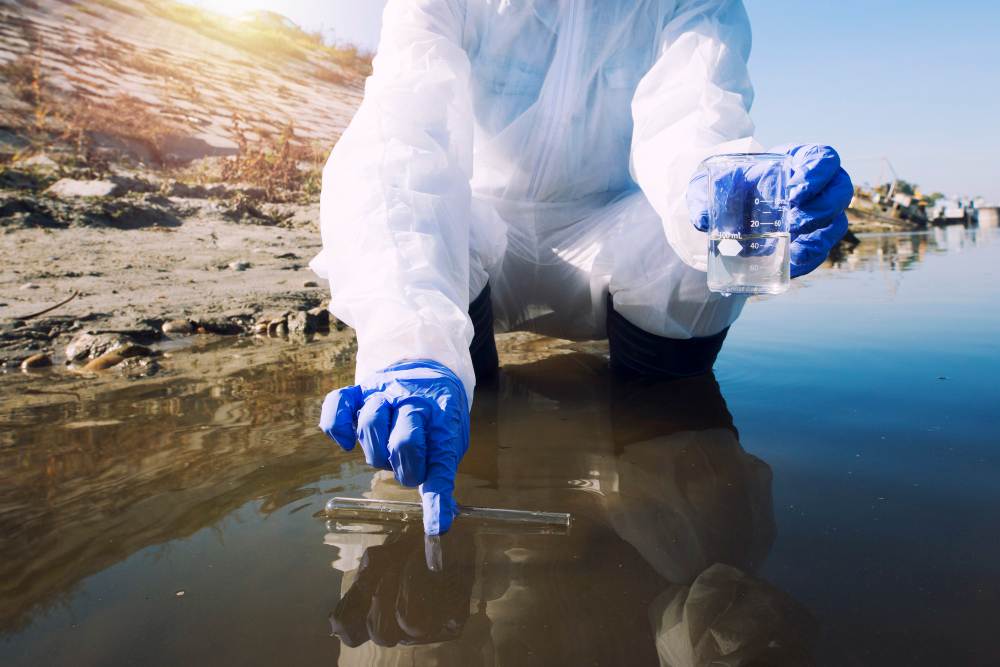
Groundwater compliance involves scientific assessment and proper documentation. Hydrogeological studies, groundwater investigations, water balance analysis, groundwater modelling, water quality assessment, and recharge planning are often required to support NOC applications and regulatory approvals.

Regular monitoring of groundwater levels, maintaining water usage records, and implementing rainwater harvesting or artificial recharge systems further strengthen compliance with groundwater regulations.

How GWMICC Supports Groundwater NOC & Regulatory Compliance

At Ground Water & Mineral Investigation Consultancy Centre (GWMICC), we assist industries, mining companies, infrastructure developers, commercial establishments, and government organizations in obtaining Groundwater NOCs and meeting regulatory requirements across India.

Our team provides comprehensive hydrogeological studies, groundwater assessments, groundwater modelling, water balance reports, recharge planning, and technical documentation required for regulatory approvals. We also help clients develop sustainable groundwater management strategies that align with applicable guidelines and environmental standards.

With decades of expertise and advanced scientific methodologies, GWMICC ensures a smooth approval process while promoting responsible groundwater management.

Conclusion

Groundwater NOC & Regulatory Compliance is an essential part of sustainable groundwater management. By following regulatory requirements and adopting scientific water management practices, organizations can secure reliable groundwater resources while protecting the environment and ensuring long-term operational success.

With its expertise in hydrogeology, groundwater investigations, and regulatory support, GWMICC provides end-to-end solutions that help clients achieve compliance and manage groundwater resources responsibly.
Mining & Infrastructure Water Management: Ensuring Sustainable Water Resources

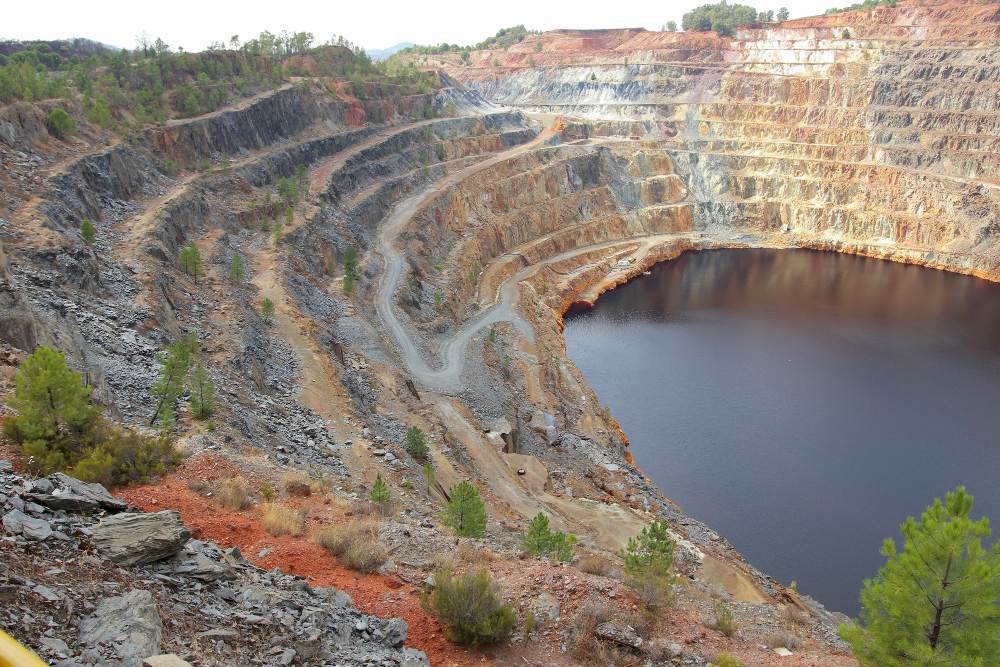
Water plays a vital role in mining operations and infrastructure development. From mineral extraction and dust suppression to construction activities and industrial processes, reliable water management is essential for project success. Mining & Infrastructure Water Management focuses on the efficient planning, utilization, conservation, and monitoring of water resources while ensuring compliance with environmental regulations and sustainable development goals.

As mining and infrastructure projects continue to expand across India, effective water management has become increasingly important to balance operational requirements with environmental protection.

Why Water Management Is Important

Mining and large infrastructure projects require significant amounts of water throughout their lifecycle. Poor water management can lead to groundwater depletion, water quality issues, project delays, and environmental impacts.

A scientific water management strategy helps organizations optimize water use, reduce wastage, improve groundwater sustainability, and minimize the impact on nearby communities and ecosystems. Proper planning also supports regulatory approvals and ensures compliance with environmental standards.

Key Components of Water Management

Effective mining and infrastructure water management begins with understanding available water resources through hydrogeological studies and groundwater assessments. It also includes groundwater modelling, water balance studies, dewatering planning, rainwater harvesting, groundwater recharge, and continuous monitoring of water quality and water levels.

By integrating these measures, project developers can improve water efficiency while protecting surrounding water resources.

Modern Approaches for Sustainable Water Management

Today, advanced technologies such as GIS mapping, remote sensing, groundwater modelling, IoT-based monitoring systems, and digital water management tools are widely used to support mining and infrastructure projects. These technologies provide real-time information, improve planning accuracy, and help organizations make informed decisions regarding water usage and conservation.

Sustainable practices such as water recycling, artificial groundwater recharge, and efficient drainage systems further reduce environmental impacts and improve long-term water security.

How GWMICC Supports Mining & Infrastructure Water Management

At Ground Water & Mineral Investigation Consultancy Centre (GWMICC), we provide comprehensive water management solutions for mining, industrial, and infrastructure projects across India. Our experienced team conducts hydrogeological studies, groundwater investigations, groundwater modelling, dewatering studies, water balance assessments, recharge planning, and environmental water management services.

Using advanced scientific techniques and decades of expertise, GWMICC helps clients optimize water use, comply with regulatory requirements, and develop sustainable strategies that support both project success and environmental conservation.

Conclusion

Effective Mining & Infrastructure Water Management is essential for ensuring reliable water availability while protecting groundwater resources and the environment. Through scientific planning, modern technologies, and sustainable practices, organizations can reduce water-related risks and improve operational efficiency.

With extensive experience in hydrogeological investigations and water resource management, GWMICC provides reliable solutions that help mining and infrastructure projects achieve sustainable growth while safeguarding India’s valuable water resources.

Water Conservation & Recharge Solutions: Building a Sustainable Water Future

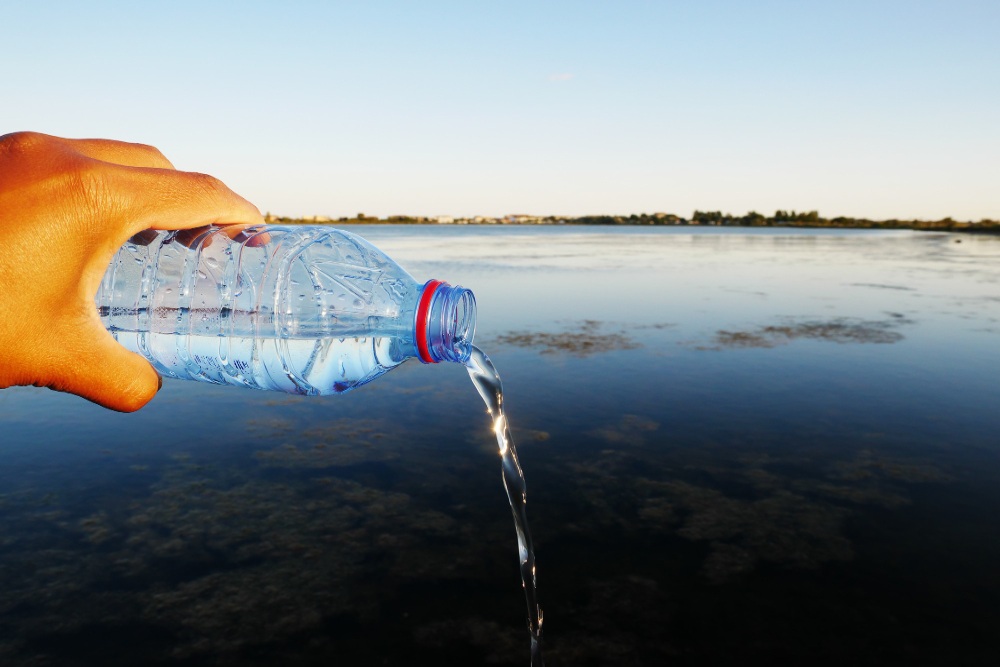
Water is one of the most valuable natural resources, yet increasing demand, rapid urbanization, and climate change are putting immense pressure on available water supplies. In India, where agriculture, industries, and households depend heavily on groundwater, conserving water and improving groundwater recharge have become essential for ensuring long-term water security. Water Conservation & Recharge Solutions provide practical and sustainable ways to protect this vital resource while meeting the growing needs of future generations.

Why Water Conservation Matters

India receives a significant amount of rainfall every year, but much of this water flows away without being effectively stored or utilized. Excessive groundwater extraction, declining rainfall patterns, and expanding urban development have resulted in falling water tables in many parts of the country.

Water conservation focuses on using available water efficiently and reducing unnecessary wastage. Simple measures such as efficient irrigation, rainwater harvesting, wastewater reuse, and responsible water management can significantly reduce pressure on groundwater resources while ensuring adequate water availability for agriculture, industries, and domestic use.

Importance of Groundwater Recharge

Groundwater recharge is the natural or artificial process of allowing rainwater and surface water to seep into underground aquifers. As groundwater levels continue to decline, artificial recharge techniques have become an effective solution for restoring depleted aquifers and maintaining sustainable groundwater supplies.

Recharge structures such as recharge wells, percolation tanks, recharge pits, check dams, and rainwater harvesting systems help increase groundwater storage. These methods not only improve water availability but also reduce flooding, soil erosion, and dependence on external water sources.

Modern Water Conservation & Recharge Solutions

Today, scientific planning and advanced technologies are improving water conservation efforts across India. GIS mapping, remote sensing, groundwater monitoring, hydrogeological studies, and groundwater modelling help identify suitable recharge zones and assess groundwater potential.

These technologies enable governments, industries, and infrastructure developers to design effective conservation strategies based on accurate scientific data. Sustainable water management also supports environmental protection and strengthens resilience against climate change.

How GWMICC Supports Water Conservation

At Ground Water & Mineral Investigation Consultancy Centre (GWMICC), we provide expert solutions for water conservation and groundwater recharge across various sectors. Our team conducts hydrogeological studies, groundwater assessments, recharge planning, geophysical investigations, groundwater modelling, and water resource management projects.

Using modern scientific techniques and decades of experience, GWMICC helps government agencies, industries, mining projects, and private organizations develop sustainable water management plans that improve groundwater availability while ensuring regulatory compliance and environmental protection.

Conclusion

Water conservation and groundwater recharge are no longer optional—they are essential for securing India’s future water resources. By adopting scientific recharge techniques, improving water-use efficiency, and implementing sustainable management practices, we can reduce groundwater depletion and ensure reliable water supplies for future generations.

With expert planning and innovative solutions, organizations like GWMICC continue to play an important role in promoting responsible water management and building a more water-secure future for India.

Understanding Groundwater Challenges in India and the Path Forward

Groundwater is an essential resource in India, supporting agricultural activities, industrial processes, and providing drinking water for millions. However, various challenges threaten its sustainability, affecting the livelihoods and well-being of countless individuals, especially the economically disadvantaged.

Major Groundwater Challenges in India

  • Overexploitation: India is one of the largest users of groundwater in the world. Intensive agricultural practices, driven by the need to meet the food demands of a growing population, have led to the overextraction of groundwater. This rampant withdrawal exceeds the natural replenishment rate, leading to a drastic decline in groundwater levels, particularly in states like Punjab, Haryana, and Tamil Nadu.
  • Pollution: Groundwater contamination is a severe issue, with pollutants ranging from industrial effluents to agricultural runoff, including pesticides and fertilizers, seeping into aquifers. The widespread presence of fluoride, arsenic, and other heavy metals in groundwater poses significant health risks to the population, leading to chronic diseases over prolonged exposure.
  • Lack of Regulation: Despite the critical state of groundwater resources, regulatory measures are often inadequate or poorly implemented. The decentralized nature of groundwater extraction complicates management efforts, as local bodies may lack the resources or authority to enforce sustainable practices effectively.
  • Climate Change Impacts: Climate change exacerbates groundwater challenges through altered precipitation patterns, leading to reduced recharge and increased evaporation rates. Extreme weather events, such as droughts and floods, further strain the availability and quality of groundwater.
  • Equity Issues: The groundwater crisis disproportionately affects the poor and marginalized communities in India. These groups often lack the means to access deep aquifers when shallow wells dry up, and they are more vulnerable to the health impacts of contaminated water supplies.

Innovative Solutions and Adaptations

  • Community-Led Management Initiatives: Empowering local communities to manage their groundwater resources can lead to more sustainable outcomes. Participatory approaches, where communities monitor water levels and manage usage rights, have shown success in various regions.
  • Technological Innovations: Modern technologies, such as artificial recharge systems and efficient irrigation methods like drip and sprinkler systems, can enhance groundwater conservation. Additionally, remote sensing and GIS technologies help in monitoring groundwater levels and quality more effectively.
  • Policy Reforms: Comprehensive water management policies are needed to address overextraction and pollution. Policies should focus on regulating industrial discharges and promoting agricultural practices that reduce water consumption and chemical runoff.
  • Educational Campaigns: Raising awareness about the importance of groundwater conservation and the dangers of contamination can drive behavioural changes among stakeholders, including farmers, industrialists, and the general public.
  • International Cooperation and Funding: Collaboration with international organizations can bring additional expertise and funding for groundwater management projects. These partnerships can facilitate the transfer of knowledge and the implementation of best practices in groundwater conservation.

GWMICC’s Role in Addressing Groundwater Challenges

The Ground Water & Mineral Investigation Consultancy Centre (GWMICC) plays a pivotal role in tackling these challenges. By conducting detailed hydrogeological studies and offering expert consultancy, GWMICC aids in the development of sustainable groundwater management strategies. Our initiatives focus on integrating advanced technological solutions, community engagement, and regulatory advocacy to ensure the long-term viability of groundwater resources in India.

Conclusion

Addressing the groundwater challenges in India requires a multi-faceted approach involving government, private sector, communities, and NGOs. By implementing sustainable practices, enhancing regulatory frameworks, and leveraging technology, India can safeguard its groundwater resources for future generations. Organizations like GWMICC are at the forefront, ensuring these resources are managed effectively, supporting both the people and the planet.

The Future of Groundwater Management in India: Challenges and Innovative Solutions

Groundwater is the backbone of India’s agriculture and drinking water supply, supporting over 600 million people and accounting for nearly 50% of the irrigated area. However, rapid urbanization, escalating agricultural demands, and inefficient water use practices pose severe challenges to groundwater sustainability in the country.

Current State of Groundwater Management

India is the largest user of groundwater in the world, extracting more groundwater each year than China and the USA combined. Despite its critical importance, groundwater resources are depleting at an alarming rate in many regions. The Central Ground Water Board (CGWB) reports that significant portions of states such as Punjab, Haryana, Rajasthan, and Tamil Nadu are overexploited, often dipping below sustainable extraction levels.

The challenge is exacerbated by the lack of adequate recharge and the declining quality of water due to contamination from industrial effluents and agricultural runoff. This scenario is dire, considering that groundwater serves as a critical buffer against the variability of monsoon rains, which are becoming increasingly erratic with climate change

Challenges in Groundwater Management

  • Overexploitation: Many regions in India face severe groundwater depletion due to overextraction for agriculture. The green revolution of the 1960s, while increasing food production, also led to widespread installation of tube wells, significantly increasing groundwater usage.
  • Pollution: Groundwater in several Indian states is contaminated with fluoride, arsenic, and heavy metals. Industrial discharges, pesticides, and domestic waste contribute to a deteriorating water quality, posing health risks and limiting water usability.
  • Inadequate Regulatory Framework: Groundwater management in India suffers from fragmented regulatory frameworks. Multiple agencies with overlapping responsibilities and the lack of coherent national policy further complicate governance.
  • Lack of Data: Accurate data on groundwater depth, recharge rates, and quality are insufficient in India, hindering effective management and policy-making.

Innovative Solutions for Sustainable Management

  • Community-Based Management Approaches: Successful examples like the participatory water management practices in Hiware Bazar, Maharashtra, have shown that involving local communities in groundwater management can lead to equitable and sustainable water use.
  • Technological Interventions: Technologies such as Artificial Recharge Techniques, where rainwater is directed to recharge aquifers, and the use of sensors and IoT for real-time water level monitoring are proving effective. The Indian government’s Atal Bhujal Yojana aims to enhance groundwater management through community participation backed by technological solutions.
  • Policy and Institutional Reforms: Strengthening the policy framework to regulate and monitor groundwater usage is crucial. Policies that incentivize sustainable water use and penalize overextraction can be pivotal.
  • Integrated Water Resource Management (IWRM): Implementing IWRM approaches that consider the interdependencies between water sources and promote coordinated development and management of water, land, and related resources could effectively address regional disparities in water availability.


How GWMICC Can Help in Groundwater Management in India

At the Ground Water & Mineral Investigation Consultancy Centre (GWMICC), we are uniquely positioned to address the challenges of groundwater management in India through a blend of expertise, technology, and community engagement. Here’s how we can make a significant impact.

  • Expert Consultation and Planning: GWMICC provides expert consultation services to government bodies, NGOs, and private sectors, offering strategic planning based on comprehensive groundwater assessments. Our team of seasoned hydrogeologists and geophysicists designs customized solutions that align with local geographies and specific water management needs.
  • Implementation of Advanced Technologies: We leverage cutting-edge technologies such as satellite imaging and remote sensing to accurately assess groundwater levels and quality. Our use of Artificial Intelligence (AI) and IoT for real-time monitoring allows stakeholders to make informed decisions promptly, ensuring sustainable usage and management.
  • Community-Based Groundwater Management Programs: Understanding the importance of community involvement, GWMICC facilitates participatory groundwater management programs. By training local communities and stakeholders on sustainable practices and technologies, we empower them to take an active role in managing their water resources.
  • Policy Advocacy and Institutional Strengthening: GWMICC collaborates with policymakers to strengthen groundwater regulations and frameworks. We advocate for policies that encourage sustainable practices and provide technical support to enhance the institutional capacities of local and national water authorities.
  • Sustainable and Innovative Recharge Solutions: We design and implement innovative recharge solutions such as percolation tanks, recharge wells, and managed aquifer recharge systems. These initiatives help in augmenting the groundwater levels, particularly in regions suffering from severe depletion.
  • Education and Awareness Campaigns: GWMICC conducts workshops, seminars, and awareness campaigns to educate the public about the importance of groundwater conservation. These initiatives are crucial for changing long-term behavior related to water usage and encouraging community-led conservation efforts.

By partnering with GWMICC, stakeholders in India can access a holistic service offering that not only addresses the immediate challenges of groundwater depletion and contamination but also builds a foundation for sustainable water management for future generations.

Looking Forward

The future of groundwater management in India hinges on the adoption of integrated approaches that combine local knowledge with advanced technology and robust regulatory frameworks. Ensuring the participation of all stakeholders, from farmers to policymakers, and backing decisions with solid data and research are essential steps towards sustainable groundwater usage in India.

By choosing GWMICC, stakeholders can access unparalleled expertise and innovative solutions, ensuring that this vital resource meets the needs of both current and future generations without compromising ecological and economic stability.