CALL US: +919829067474

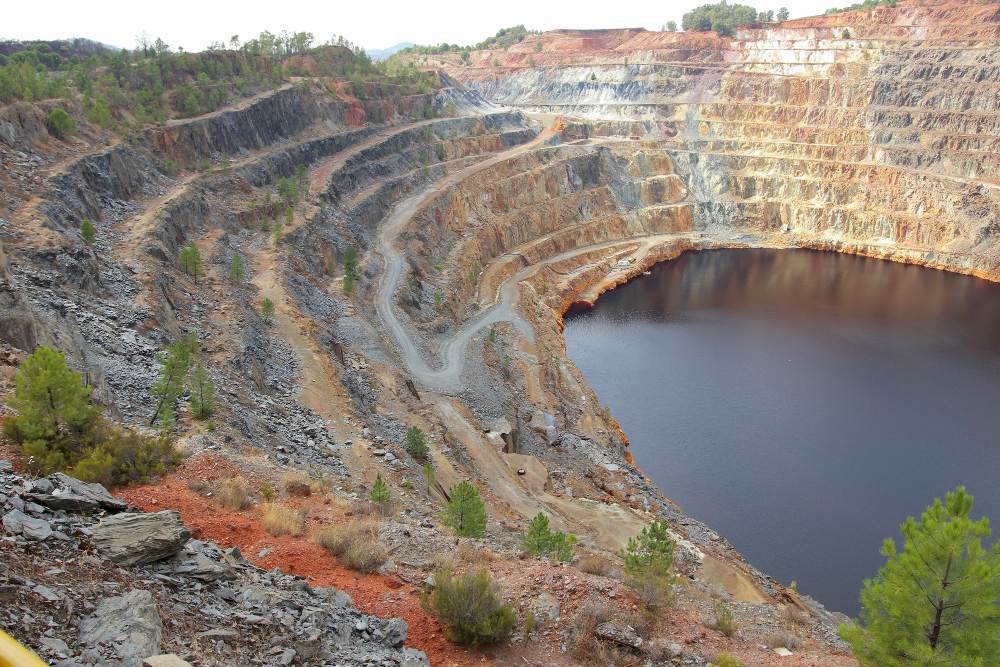
Mining & Infrastructure Water Management: Ensuring Sustainable Water Resources

Water plays a vital role in mining operations and infrastructure development. From mineral extraction and dust suppression to construction activities and industrial processes, reliable water management is essential for project success. Mining & Infrastructure Water Management focuses on the efficient planning, utilization, conservation, and monitoring of water resources while ensuring compliance with environmental regulations and sustainable development goals.

As mining and infrastructure projects continue to expand across India, effective water management has become increasingly important to balance operational requirements with environmental protection.

Why Water Management Is Important

Mining and large infrastructure projects require significant amounts of water throughout their lifecycle. Poor water management can lead to groundwater depletion, water quality issues, project delays, and environmental impacts.

A scientific water management strategy helps organizations optimize water use, reduce wastage, improve groundwater sustainability, and minimize the impact on nearby communities and ecosystems. Proper planning also supports regulatory approvals and ensures compliance with environmental standards.

Key Components of Water Management

Effective mining and infrastructure water management begins with understanding available water resources through hydrogeological studies and groundwater assessments. It also includes groundwater modelling, water balance studies, dewatering planning, rainwater harvesting, groundwater recharge, and continuous monitoring of water quality and water levels.

By integrating these measures, project developers can improve water efficiency while protecting surrounding water resources.

Modern Approaches for Sustainable Water Management

Today, advanced technologies such as GIS mapping, remote sensing, groundwater modelling, IoT-based monitoring systems, and digital water management tools are widely used to support mining and infrastructure projects. These technologies provide real-time information, improve planning accuracy, and help organizations make informed decisions regarding water usage and conservation.

Sustainable practices such as water recycling, artificial groundwater recharge, and efficient drainage systems further reduce environmental impacts and improve long-term water security.

How GWMICC Supports Mining & Infrastructure Water Management

At Ground Water & Mineral Investigation Consultancy Centre (GWMICC), we provide comprehensive water management solutions for mining, industrial, and infrastructure projects across India. Our experienced team conducts hydrogeological studies, groundwater investigations, groundwater modelling, dewatering studies, water balance assessments, recharge planning, and environmental water management services.

Using advanced scientific techniques and decades of expertise, GWMICC helps clients optimize water use, comply with regulatory requirements, and develop sustainable strategies that support both project success and environmental conservation.

Conclusion

Effective Mining & Infrastructure Water Management is essential for ensuring reliable water availability while protecting groundwater resources and the environment. Through scientific planning, modern technologies, and sustainable practices, organizations can reduce water-related risks and improve operational efficiency.

With extensive experience in hydrogeological investigations and water resource management, GWMICC provides reliable solutions that help mining and infrastructure projects achieve sustainable growth while safeguarding India’s valuable water resources.
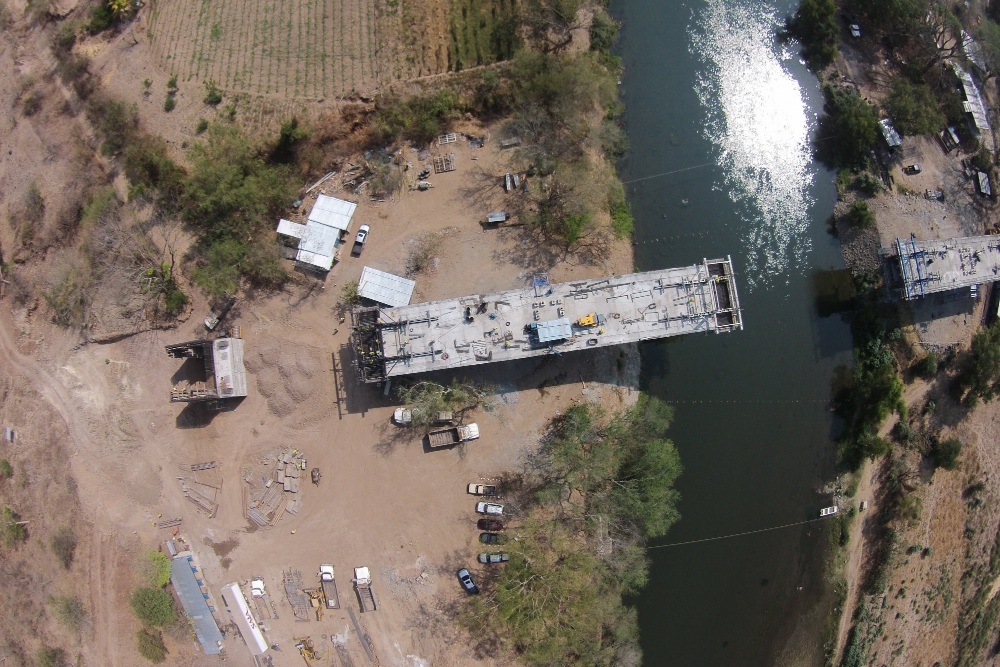
Groundwater Exploration & Borewell Development: Ensuring Reliable Water Resources

Groundwater is one of the most dependable sources of fresh water in India, supporting agriculture, industries, infrastructure, and domestic needs. As surface water resources become increasingly stressed due to population growth and climate change, the demand for sustainable groundwater development continues to rise. Groundwater Exploration & Borewell Development play a vital role in identifying reliable groundwater sources and ensuring efficient water extraction without harming the environment.

Understanding Groundwater Exploration

Groundwater exploration is the scientific process of locating and evaluating underground water resources before drilling a borewell. It involves studying geological formations, aquifers, groundwater levels, and recharge potential to determine the most suitable location for groundwater extraction.

Unlike traditional methods based on assumptions, modern groundwater exploration uses scientific surveys and advanced technologies to improve drilling success rates and minimize unnecessary costs.

Importance of Borewell Development

A properly planned borewell provides a dependable source of water for irrigation, industrial operations, commercial establishments, and rural communities. However, drilling without proper investigation often leads to low water yield or complete borewell failure.

Scientific borewell development ensures that the borewell is drilled at the right location, depth, and diameter based on hydrogeological conditions. This improves water availability, extends the life of the borewell, and supports sustainable groundwater utilization.

Modern Techniques Used

Today’s groundwater exploration combines advanced technologies with field investigations to provide accurate results. Hydrogeological mapping, Electrical Resistivity Surveys, groundwater monitoring, GIS mapping, remote sensing, and pumping tests help experts understand underground water conditions before drilling begins.

These techniques reduce project risks, improve drilling efficiency, and provide valuable information for long-term groundwater management.

Challenges in Groundwater Development

Many regions in India face declining groundwater levels due to excessive extraction, changing rainfall patterns, and rapid urbanization. Poorly planned borewell drilling often increases costs and reduces groundwater sustainability.

Scientific groundwater exploration helps address these challenges by identifying productive aquifers, assessing recharge potential, and recommending sustainable groundwater extraction practices that protect water resources for future generations.

How GWMICC Supports Groundwater Exploration & Borewell Development

At Ground Water & Mineral Investigation Consultancy Centre (GWMICC), we provide professional groundwater exploration and borewell development services for industries, mining projects, government organizations, infrastructure developers, agricultural projects, and private clients across India.

Our experienced hydrogeologists and geophysicists conduct comprehensive hydrogeological studies, geophysical investigations, aquifer assessments, pumping tests, groundwater modelling, and borewell site selection using modern scientific techniques. Our objective is to help clients achieve reliable groundwater sources while ensuring environmental sustainability and regulatory compliance.

Conclusion

Groundwater Exploration & Borewell Development are essential for meeting India’s growing water demands in a sustainable manner. Scientific investigations, advanced technologies, and proper planning help maximize borewell success while protecting valuable groundwater resources.

With decades of expertise and modern hydrogeological solutions, GWMICC is committed to delivering reliable groundwater exploration and borewell development services that support responsible water resource management across India.