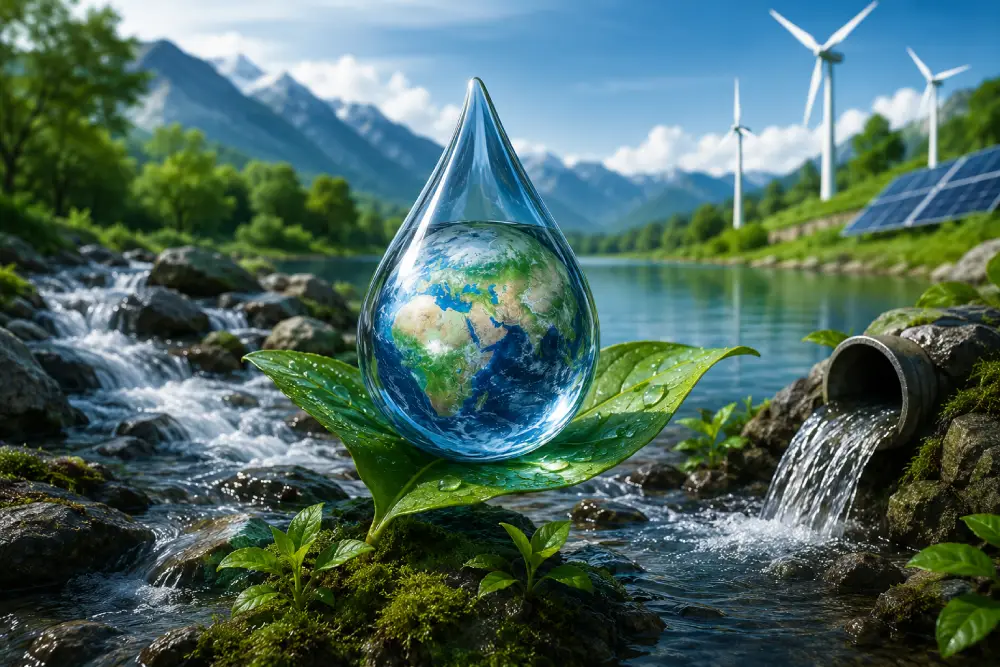
Environmental & Water Sustainability Studies help assess the condition, availability and management of water and natural resources. These studies are important for understanding groundwater, surface water, water quality, climate risks and environmental conditions.
With increasing water demand, pollution, groundwater stress and changing climate conditions, sustainable water management has become essential. A detailed study provides scientific information that can support responsible development and long-term water resource protection.
What Are Environmental & Water Sustainability Studies?
Environmental & Water Sustainability Studies involve the assessment of water resources and environmental conditions within a specific area. The study may consider groundwater, surface water, soil, rainfall, land use, water quality and surrounding ecosystems.
The objective is to understand existing conditions, identify potential risks and develop practical approaches for sustainable resource management. These studies can support industries, infrastructure projects, urban development and environmental planning.
Why Are Water Sustainability Studies Important?
Water resources are under increasing pressure because of population growth, urbanization, industrial activities and changing rainfall patterns. Poor water management can lead to groundwater depletion, contamination, water scarcity and environmental degradation.
Environmental and water sustainability studies help identify these challenges at an early stage. The information can support better water-use planning, conservation measures, groundwater protection and sustainable development decisions.
Water Resource Management
Water Resource Management focuses on understanding how available water resources are used, distributed and protected. It considers groundwater, surface water, rainfall, recharge and water demand to develop a broader understanding of the local water system.
A proper assessment can identify areas where water resources may be under pressure and where conservation or management measures may be required. This supports more efficient and responsible use of water resources.
Groundwater Quality and Salinity Assessment
Groundwater quality can change because of natural geological conditions, agricultural activities, industrial processes and excessive groundwater extraction. Groundwater quality studies help identify changes in physical and chemical characteristics and potential contamination concerns.
Salinity assessment is also important in areas where dissolved salts may affect groundwater usability, agriculture and ecosystems. Understanding groundwater quality and salinity conditions can support suitable management and protection strategies.
Climate Resilience Planning for Water Resources
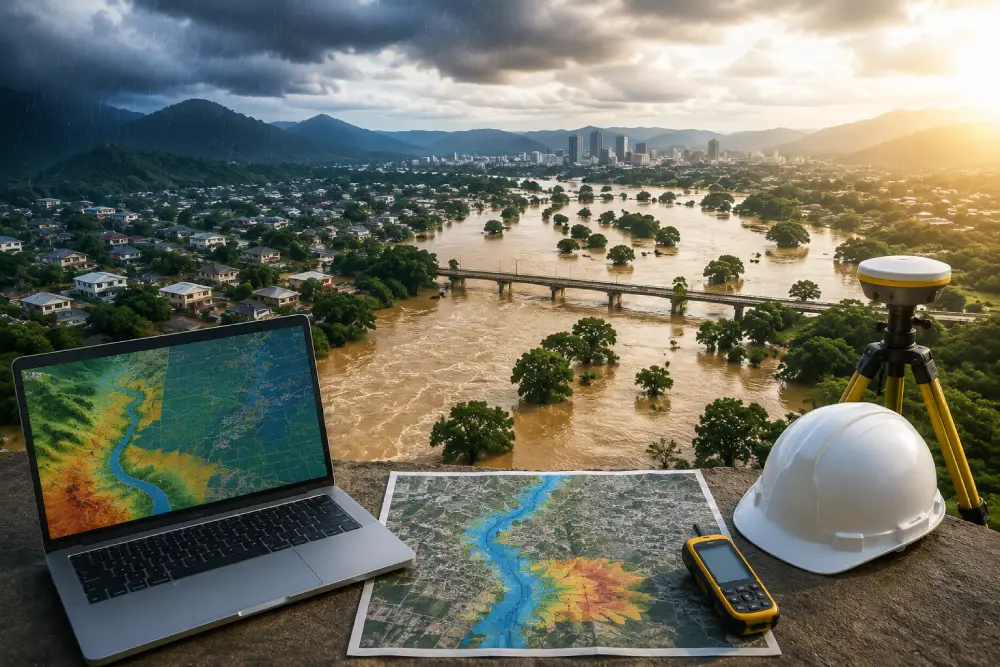
Climate variability can affect rainfall, groundwater recharge, drought conditions and surface-water availability. Extreme rainfall events can also increase flooding and drainage-related challenges in vulnerable areas.
Climate resilience planning considers these potential changes when developing water management strategies. It can help identify measures that improve the ability of water systems and communities to manage future environmental and water-related risks.
River Potential and Surface Water Studies
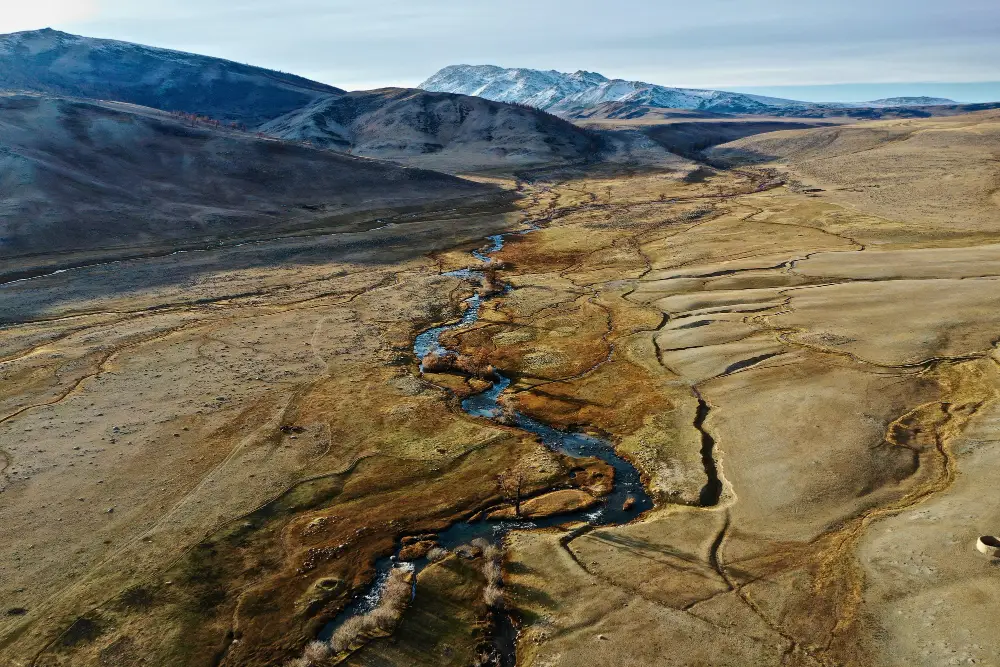
Rivers, lakes and other surface-water systems are important components of sustainable water management. Their condition can be influenced by rainfall, catchment characteristics, land use, pollution and development activities.
River potential studies help evaluate relevant hydrological and environmental conditions. The findings can support surface-water planning, conservation, resource management and sustainable development while considering the wider catchment system.
GIS and Remote Sensing for Environmental Studies
GIS and remote sensing technologies help analyze environmental and water-related information across large areas. Spatial information such as land use, drainage networks, water bodies, terrain and vegetation can be evaluated to understand environmental conditions.
Combining GIS and remote sensing with field investigations can provide a more complete view of water resources and environmental changes. These technologies are useful for resource mapping, watershed assessment, climate studies and sustainability planning.
Water Positive Investigations
Water Positive Investigations focus on identifying opportunities to improve water security and create positive outcomes for local water resources. This may include water conservation, groundwater recharge, efficient water use and restoration of water systems.
The assessment considers existing water use and local resource conditions to identify practical opportunities for improvement. A water-positive approach can help organizations reduce pressure on natural water resources and support long-term water sustainability.
Environmental Sustainability and Regulatory Planning
Development projects can influence groundwater, surface water, soil and surrounding ecosystems. Environmental sustainability studies help identify potential impacts and provide information for responsible project planning.
The assessment can also support regulatory and environmental compliance requirements where applicable. By considering environmental conditions during the planning stage, organizations can reduce potential impacts and incorporate appropriate management and mitigation measures.
Sustainable Water Management for Long-Term Development
Sustainable water management requires a clear understanding of available resources, current water use and environmental conditions. It also requires consideration of future changes in climate, development and water demand.
Environmental & Water Sustainability Studies provide the scientific foundation for making these decisions. By combining water resource assessment, groundwater studies, GIS analysis, climate evaluation and environmental investigation, organizations can develop more sustainable approaches to managing water resources.
Conclusion
Environmental & Water Sustainability Studies are essential for understanding and protecting water resources while supporting responsible development. They help evaluate groundwater, surface water, water quality, salinity, climate risks and environmental conditions.
From Water Resource Management and Groundwater Quality Assessment to Climate Resilience Planning, River Potential Studies and Water Positive Investigations, these studies provide valuable information for sustainable water planning.
A professional, site-specific assessment can help organizations manage water resources more efficiently, reduce environmental risks and support long-term water security.